


Electric Vehicle Charger Maintenance: Everything you need to know
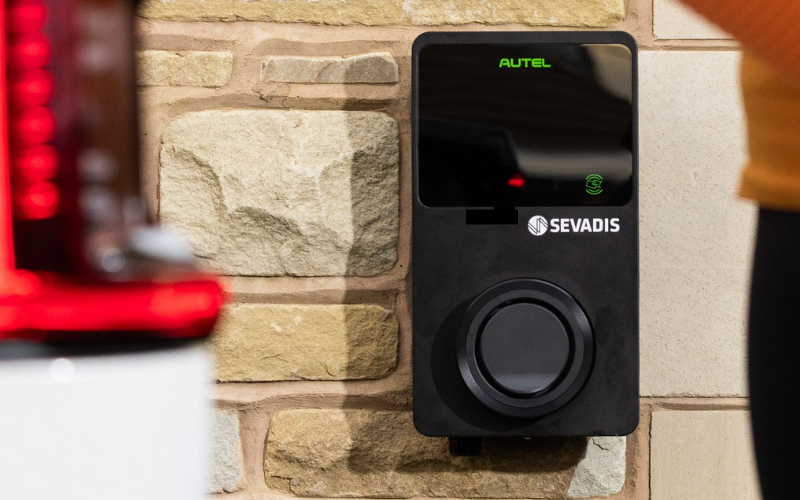
An EV charger is built to withstand daily use and the UK’s weather. However, that doesn’t mean it should be left unchecked. Regular maintenance helps identify signs of wear, keeps charging equipment operating safely and can help extend the life of the installation.
Jump to
Do EV chargers need servicing?
Yes. However, the level of servicing depends on the type of installation.
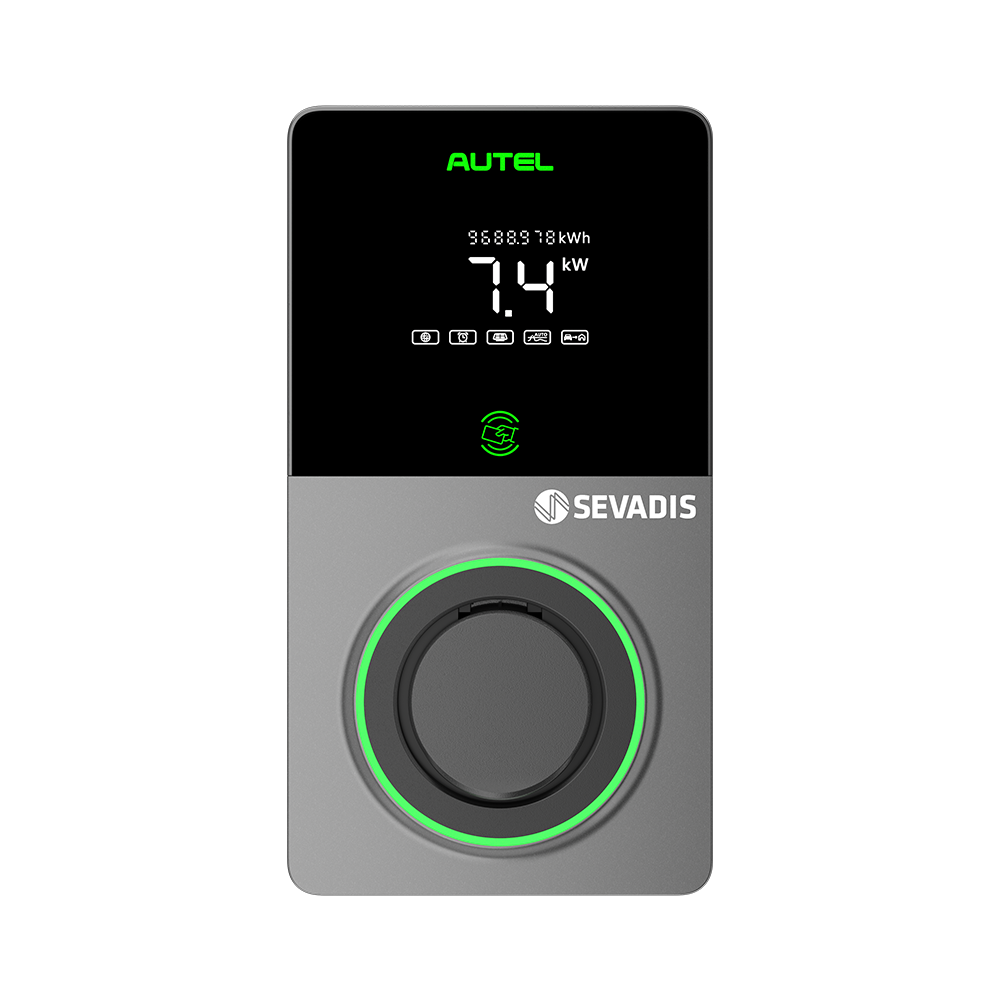
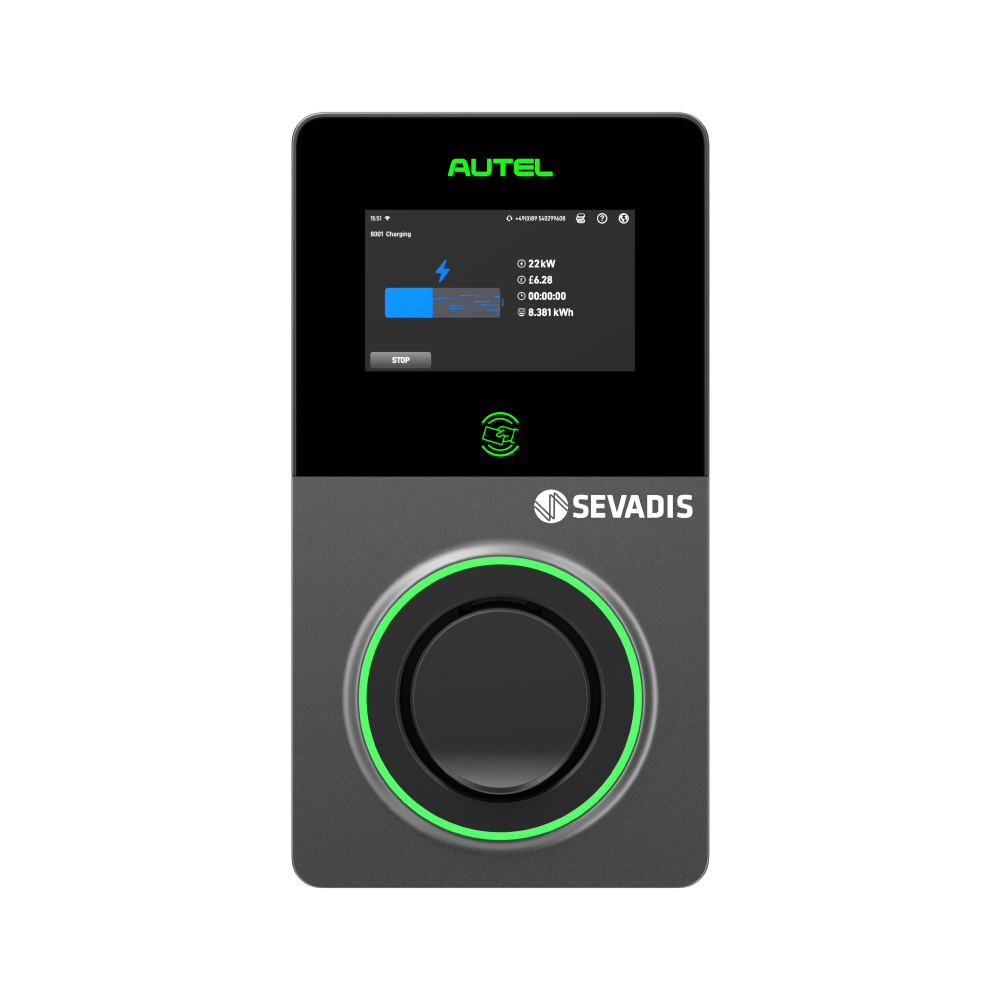
Home chargers generally need light-touch maintenance, regular visual inspections, keeping the unit clean and making sure software/firmware stays up to date. Always follow the manufacturer’s maintenance guidance for your specific unit as requirements vary between models and providers.
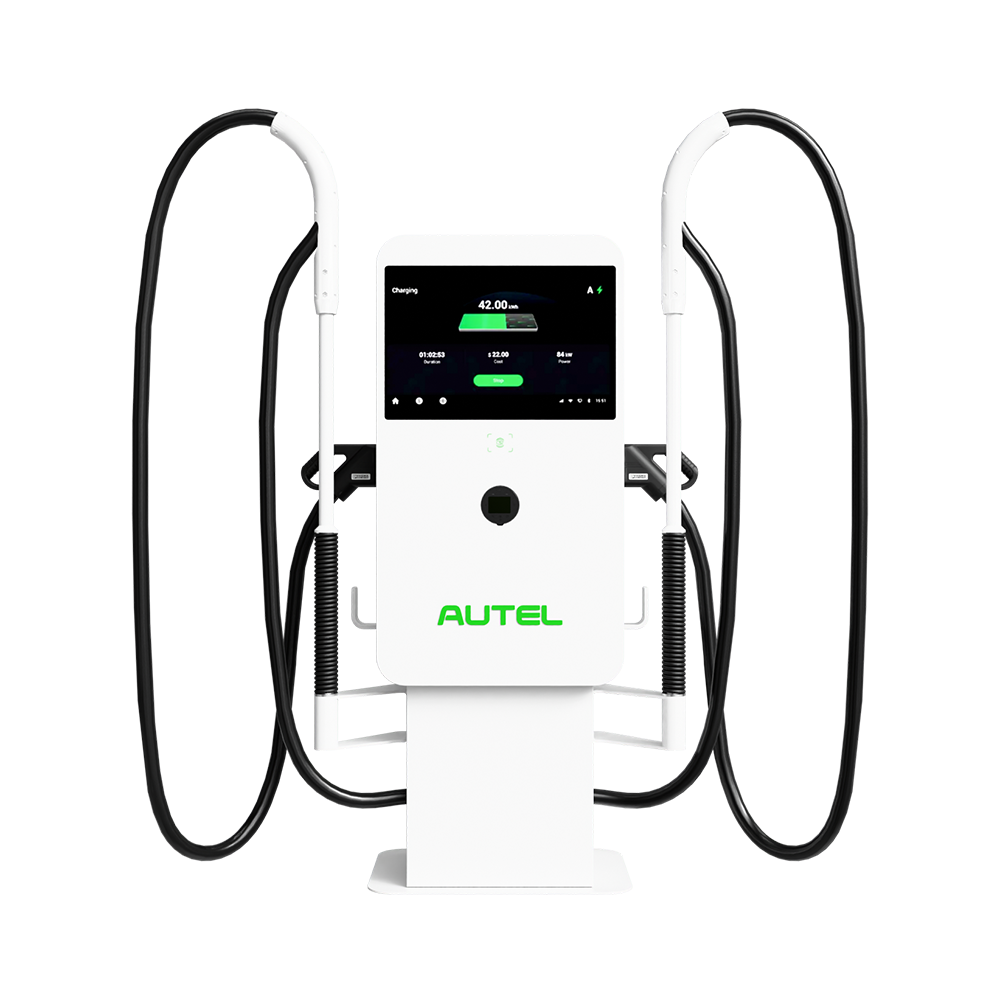
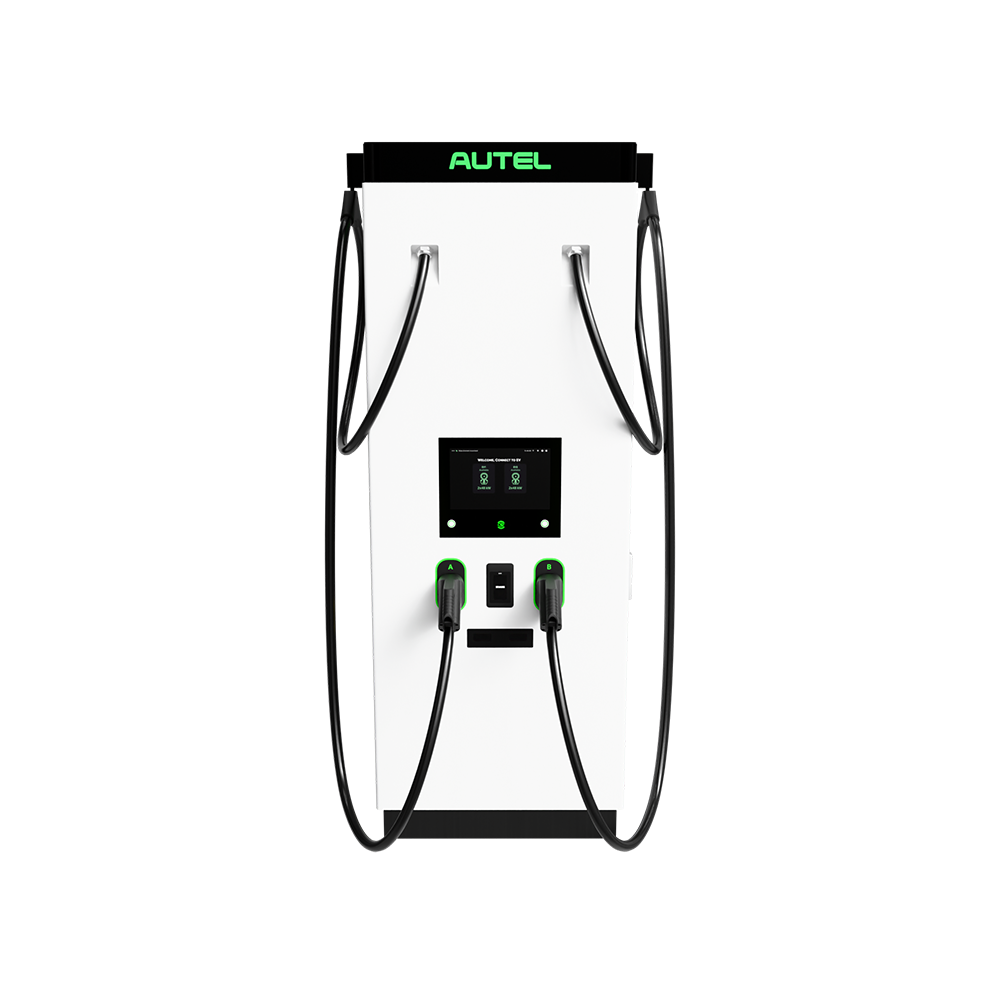
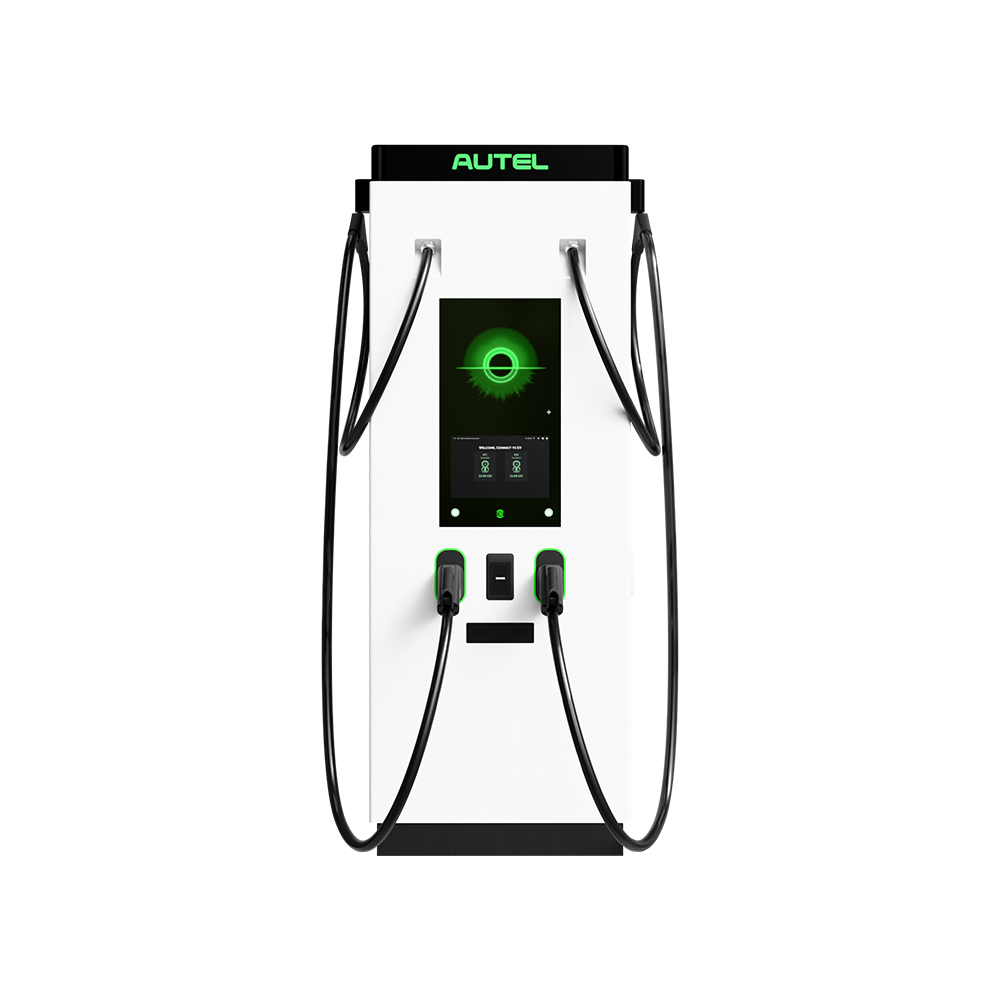
Commercial and fleet chargers see far higher usage and carry more risk if something goes wrong, so routine preventative maintenance, carried out by a qualified engineer, is strongly recommended.
How often should an EV charger be serviced?
Servicing needs vary by installation type, usage and manufacturer; the table below is general guidance, not a fixed rule. Always check your charger’s specific warranty and manufacturer documentation.
| Installation | Visual checks | Professional servicing |
|---|---|---|
| Home | Monthly | Follow manufacturer guidance; may be recommended periodically depending on charger, warranty or installation |
| Workplace | Monthly | Every 6-12 Months |
| Public Charging | Weekly/monthly | Every 3-6 Months |
| Fleet depots | Weekly | Quarterly or based on usage |
What should you check for?
A quick regular check can catch most issues before they become expensive ones:
1. Check cables -look for cracks, fraying or exposed wiring.
2. Check connectors – make sure pins aren’t bent, dirty or corroded.
3. Check LEDs/status lights – confirm the unit is displaying its normal ready/charging state.
4. Clean the charger – wipe down the casing; avoid chemicals near the charging port.
5. Check software/firmware – confirm it’s on the latest version.
6. Check mounting – make sure the unit is still securely fixed to the wall or post.
7. Check for water ingress – inspect seals and casing, particularly after heavy rain.
8. Test a charging session – confirm charging starts, holds a stable rate, and stops correctly.
When should you call an engineer?
Some issues go beyond a home check and need a qualified electrician or your charger provider:
• Persistent error codes
• Charging interruptions or a session that won’t start/complete
• A damaged or cracked socket
• A loose or damaged cable
• Visible burn marks or discolouration
• Signs of water ingress inside the unit
Never attempt to open or repair the unit yourself; this can invalidate your warranty and put your safety at risk.
Maintaining workplace and commercial EV chargers.
For businesses and fleet operators, maintenance is less about “keeping it clean” and more about minimising downtime and protecting uptime across a whole site.
That means:
• Remote monitoring – catching faults before drivers do, often before they even affect a charging session.
• Firmware management – keeping every unit on a site running consistent, up-to-date software.
• OCPP compliance – ensuring chargers stay properly connected to your management platform for monitoring, billing and diagnostics through the Open Charge Point Protocol (OCPP).
• Load balancing – making sure multiple chargers on one site share power safely and efficiently, especially important as fleets and bay counts grow.
• Preventative maintenance – scheduled inspections that catch wear and tear before it causes a fault.
• Electrical inspections – periodic testing to ensure the installation remains safe and compliant.
This is the level of oversight a single home charger simply doesn’t need, but it’s essential for any business relying on its charging infrastructure to keep operating, whether that’s a workplace car park, a public site or an HGV/fleet depot.
FAQ's
Do EV chargers need servicing?
Yes. Home chargers need light maintenance, ideally guided by the manufacturer’s recommendations; commercial and public chargers need more frequent, professional servicing due to higher usage.
How long do EV chargers last?
With proper maintenance, most chargers last well beyond their warranty period, often 10+ years for home units.
Can I pressure wash my charger?
No. Use a soft, damp cloth only. High-pressure water can force moisture into the casing and damage the electronics.
Can rain damage an EV charger?
Chargers are designed to be weatherproof. However, damaged seals or casing can let water in over time, which is why regular inspection matters.
Can I repair my charger myself?
No. Opening or attempting to repair the unit yourself can invalidate your warranty and is a safety risk. Always contact your provider or a qualified electrician.
Does maintenance affect warranty?
Keeping up with basic maintenance generally supports your warranty, it’s neglect or unauthorised repairs that tend to invalidate it. Always check your specific terms.
Does cold weather affect EV chargers?
Yes. Modern chargers are designed to operate outdoors throughout the year, but extreme weather can affect charging performance. Regular inspections help ensure the charger remains in good condition.
Regular maintenance is one of the simplest ways to keep your EV charging infrastructure safe, reliable and performing as intended. Explore Sevadis’ EV charging solutions or speak to our team about maintaining your charging infrastructure.
