


How Long Does It Take to Charge an Electric Car (2026 UK Guide)
One of the first questions people ask when switching to an electric vehicle is simple: how long does it actually take to charge?
The answer depends on more than just the charger you’re using. Battery size, charging power, your vehicle’s maximum charging capability and even temperature can all affect charging time.
For most drivers, charging quickly becomes part of their daily routine. Rather than waiting for the battery to run empty, many simply top up at home overnight, while parked at work or during longer journeys.
This guide explains how long it takes to charge an electric car, what affects charging speed, and how to choose the right charging solution.
Jump to
Charging times by charger type
| Charging Method | Power Output | Approximate Charging Time |
|---|---|---|
| Domestic 3-pin socket | 2.3kW | 24-30+ hours |
| Home wallbox | 7.4kW | Around 8-9 hours |
| Fast AC charger | 22kW | Around 3-5 hours |
| Fast DC charger | 50kW | Around 45-60 minutes to 80% |
| Ultra-rapid DC charger | 150kW | Around 15-30 minutes to 80% |
22kW AC charging requires a compatible vehicle and a three-phase electrical supply. Rapid and Ultra-rapid charging times are based on charging from approximately 10% to 80%. Actual charging times depend on the vehicle and charging conditions. are based on charging from approximately 10% to 80%. Actual charging speeds vary depending on the vehicle and charging conditions.
Why don’t all electric cars charge at the same speed?
A faster charger doesn’t always mean a faster charge. Every electric vehicle has its own maximum charging rate, so the car will only accept the power it’s designed to handle. Battery size and temperature can also affect how long a charging session takes.
How long does it take to charge an electric car at home?
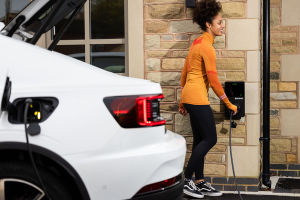
For most EV owners, home charging is the easiest and most convenient option. Plug in overnight and, in most cases, your car will be fully charged by morning.
Charging from a 3-pin socket
A standard 3-pin socket delivers around 2.3kW, adding approximately 8–10 miles of range per hour. Charging a typical 60kWh battery can take 24–30 hours, so it’s best suited to occasional use rather than everyday charging.
Charging with a 7.4kW home wallbox
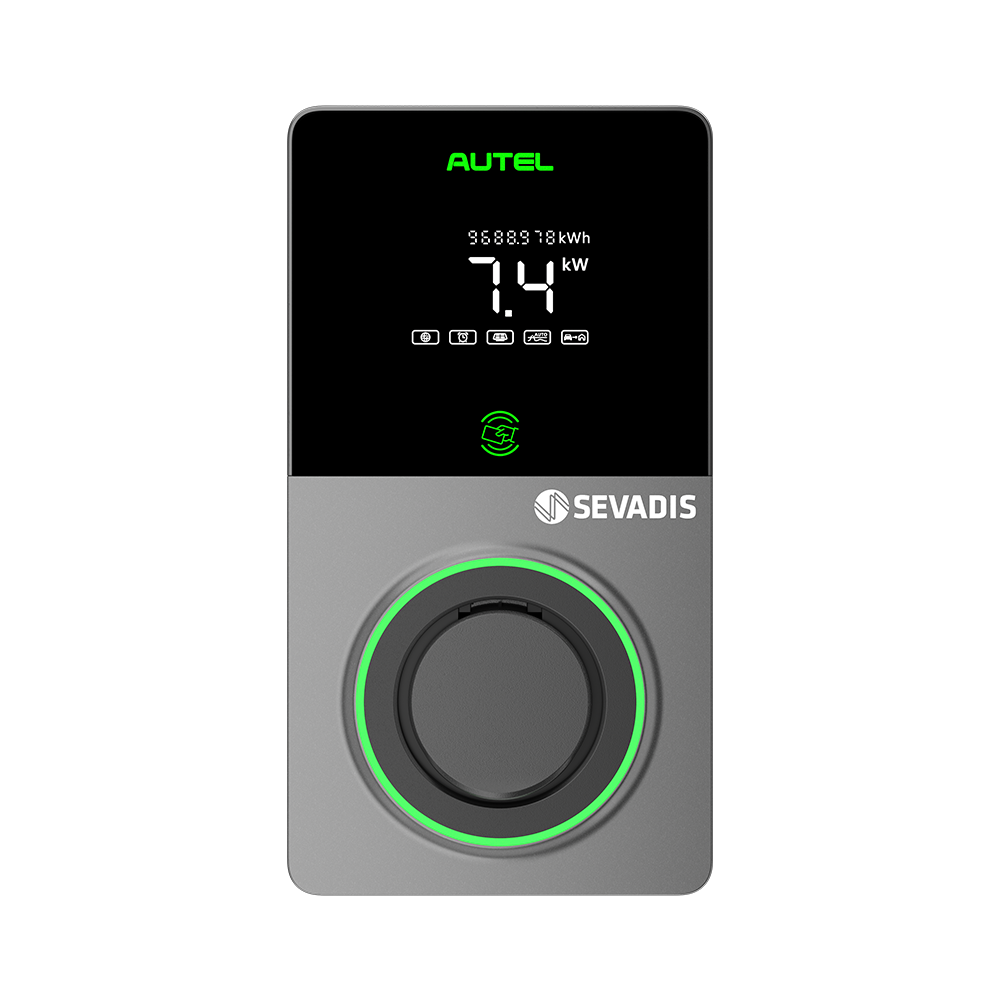
A 7.4kW home wallbox can fully charge a typical 60kWh battery in around 8–9 hours, making it ideal for overnight charging. Many home chargers also support scheduled charging and off-peak electricity tariffs, helping to reduce charging costs.
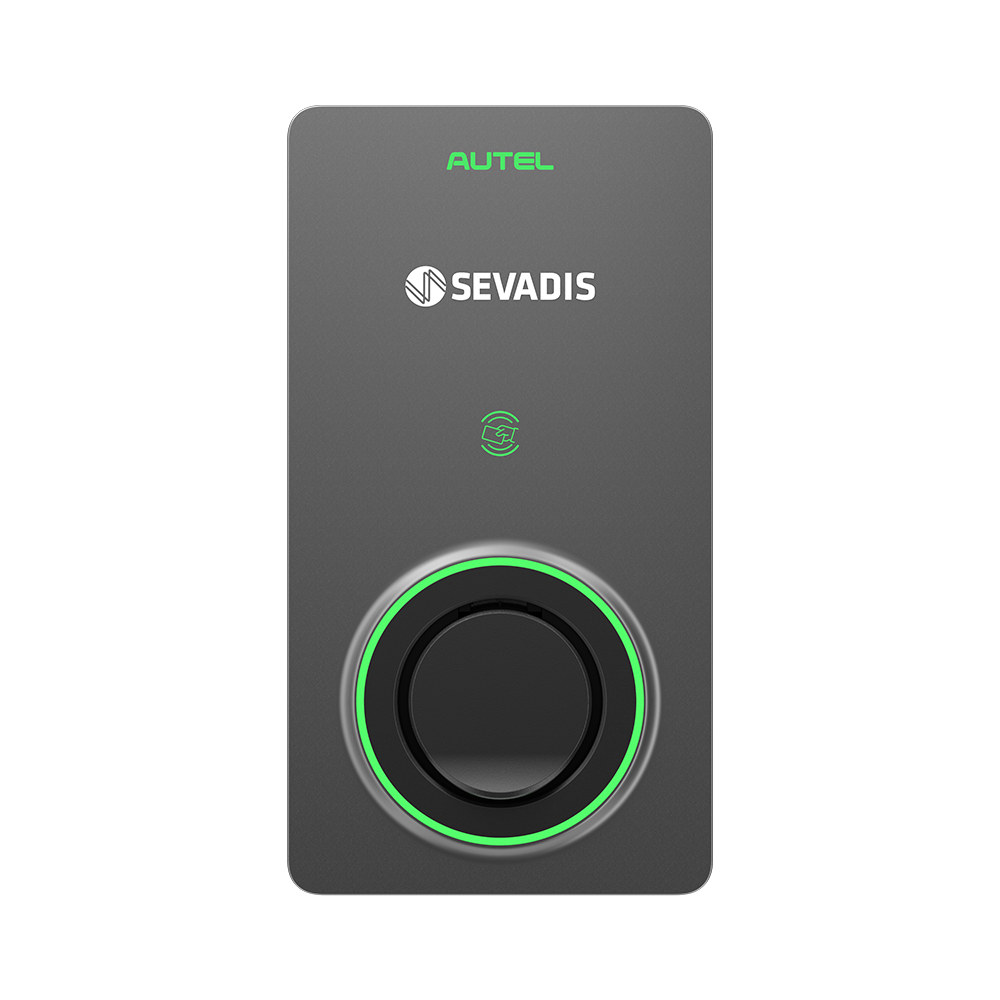
The Sevadis MaxiCharger Gen2 Smart AC 7.4kW combines smart charging features with intelligent energy management, making it well suited to everyday home charging.
How long does workplace EV charging take?
Unlike home charging, workplace charging is designed around the time vehicles are already parked. In many cases, employees can add enough charge during the working day to comfortably cover their journey home.
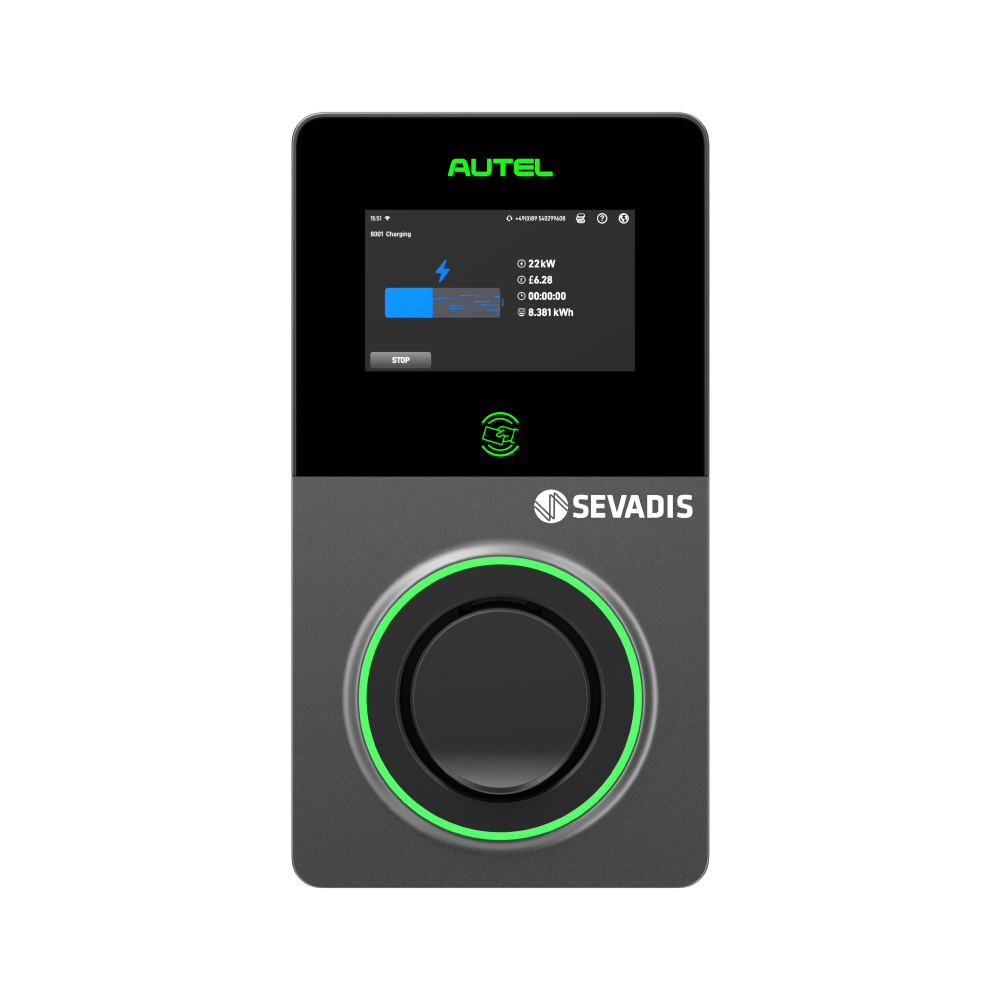
Most workplace chargers provide 7kW to 22kW AC charging. However, the right charger isn’t always the most powerful one. It depends on how long vehicles are parked, how many people need to charge and the site’s available electrical capacity.
As more workplaces switch to electric vehicles, features such as load balancing, access control and accurate energy monitoring become just as important as charging speed. Choosing the right charging infrastructure from the outset can help support both current demand and future expansion.
How long does public rapid charging take?
Public charging is designed to top up your battery while you’re away from home. The charging time depends on the type of charger and the maximum charging rate your vehicle can accept.
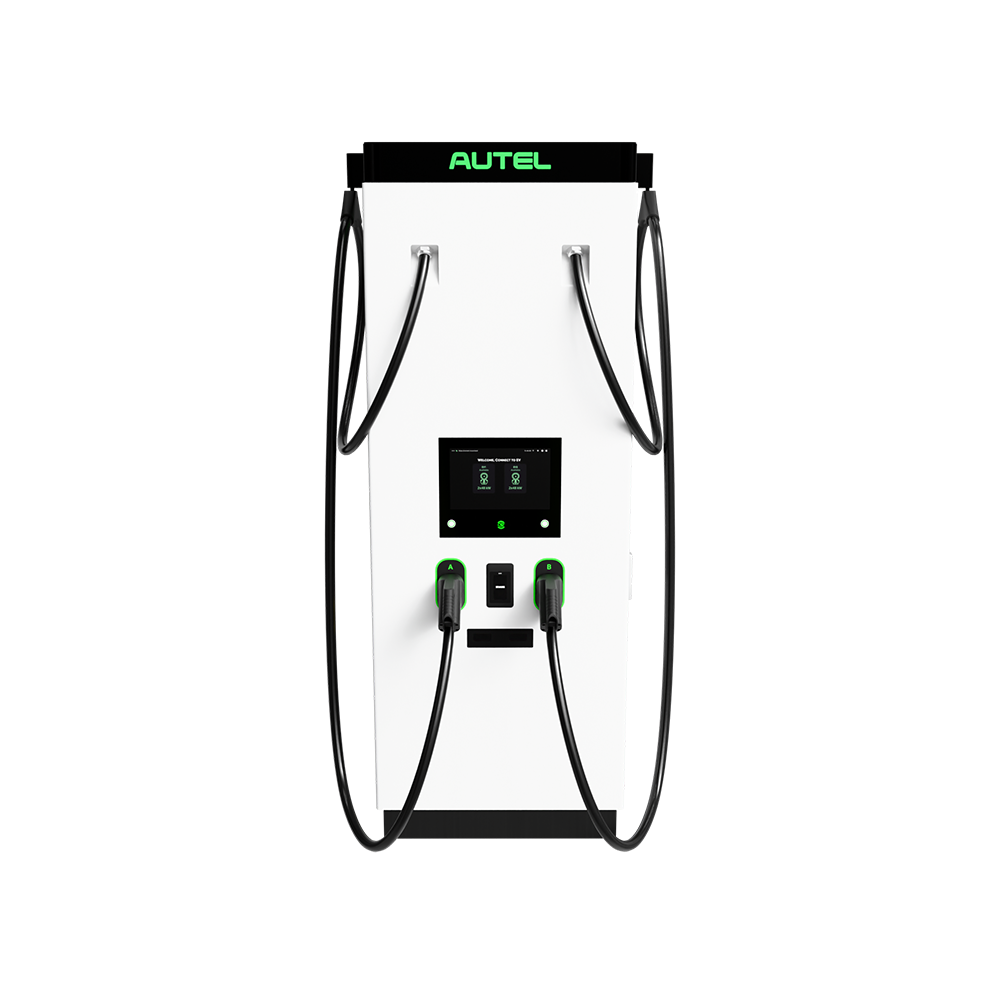
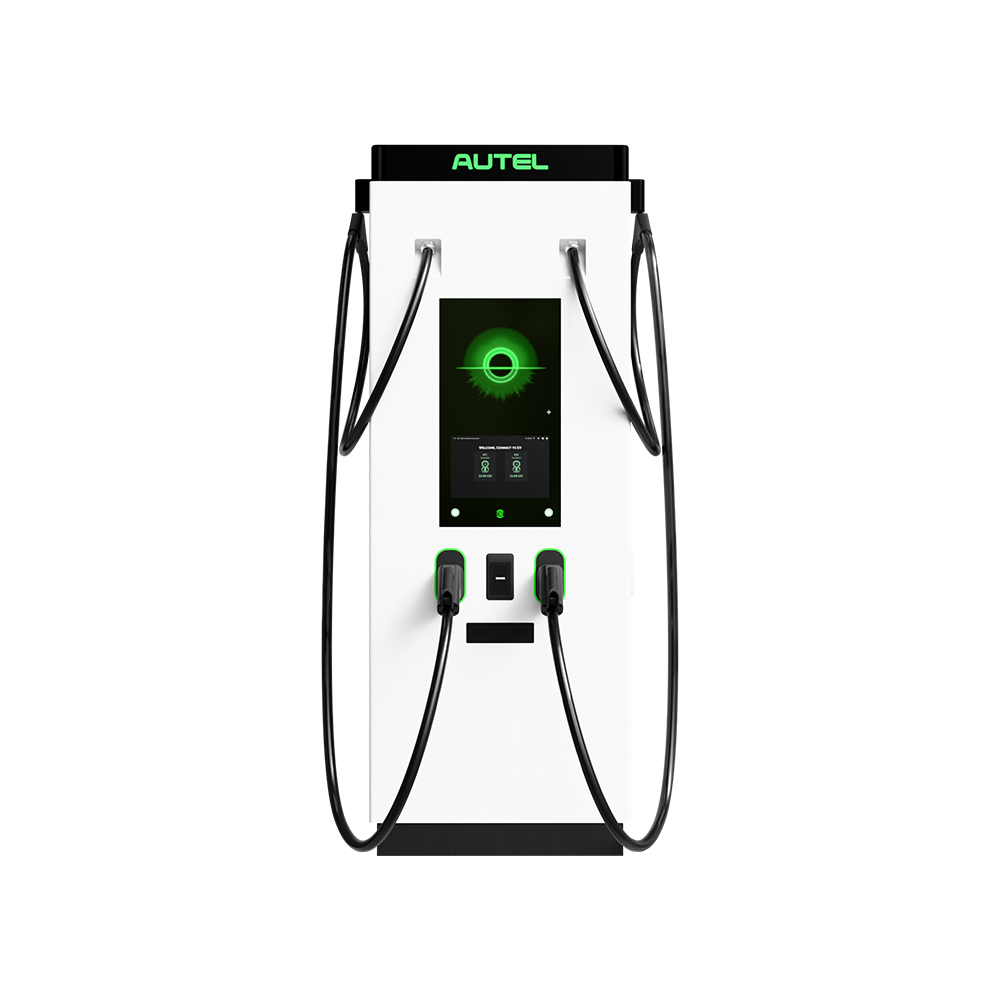
A 50kW rapid charger can typically charge a compatible EV from 10% to 80% in around 45-60 minutes, making it ideal for supermarkets, retail parks and public car parks.
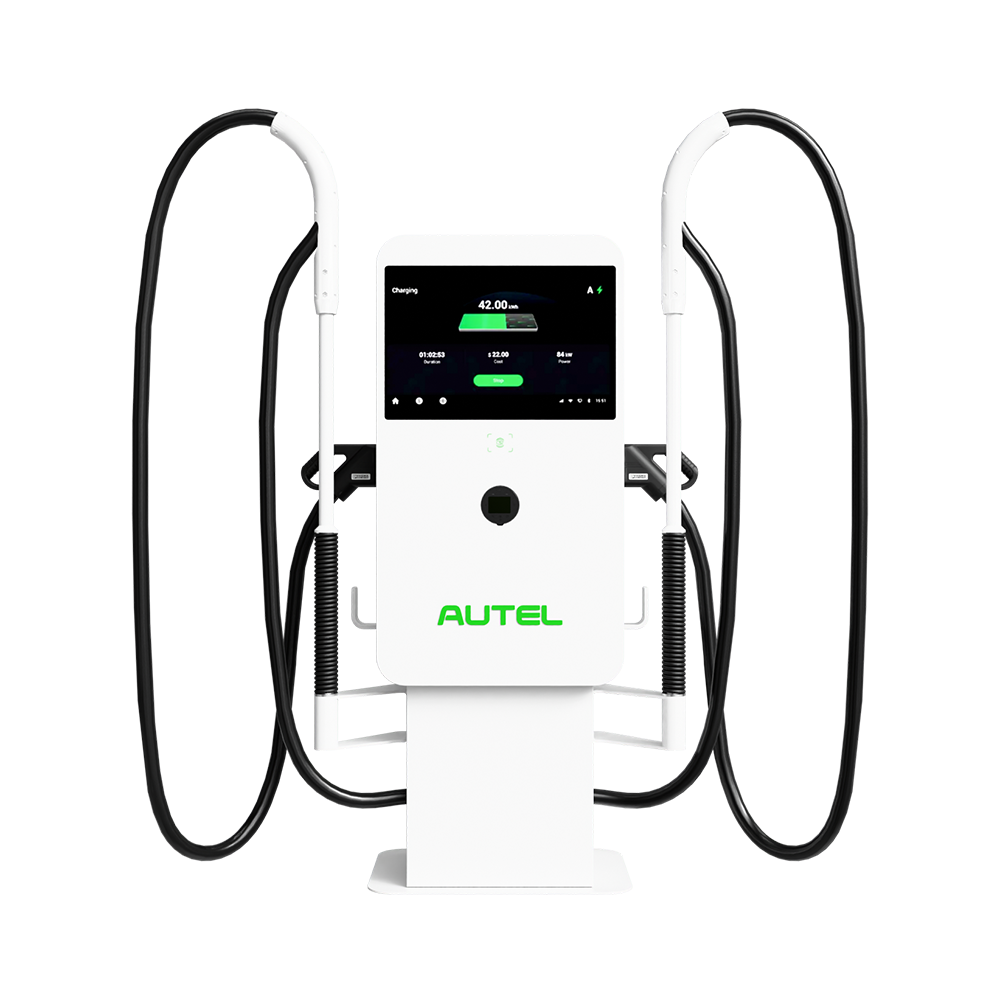
For longer journeys, 150kW+ ultra-rapid chargers can reduce charging times to around 15-30 minutes. These are commonly found at motorway service stations and dedicated charging hubs.
Although ultra-rapid chargers offer the fastest charging speeds, not every vehicle can take full advantage of them. The car will only charge at the maximum rate it’s designed to accept.
What Affects EV Charging Time?
No two charging sessions are exactly the same. Even when two vehicles are connected to the same charger, charging times can vary for several reasons.
Vehicle charging capability
Every electric vehicle has a maximum charging rate. If your car can accept up to 100kW, using a 350kW charger won’t make it charge any faster.
Battery size
Larger batteries take longer to recharge because there’s simply more energy to replace.
State of charge
Charging is quickest when the battery is low. As it approaches full charge, the vehicle automatically slows the charging speed to help protect the battery.
Battery temperature
Very cold or very hot batteries may charge more slowly. Many newer EVs automatically precondition the battery before rapid charging to improve performance.
Available electrical capacity
At workplaces and public charging sites, power may be shared across multiple chargers. Intelligent load management helps distribute available power where it’s needed most.
Charging times for popular Electric Cars
Charging times vary between vehicles because battery size and maximum charging rates differ. The figures below provide a general guide for some of the UK’s most popular electric cars.
| Vehicle | Approximate 7.4kW home charging time | Approximate rapid DC time |
|---|---|---|
| Tesla Model 3 | 8-9 hours | Around 25-30 minutes |
| Tesla Model Y | 10-11 hours | Around 25-30 minutes |
| Kia EV3 Long Range | Around 11 hours | Around 30 minutes |
| Hyundai Ioniq 5 | 11-12 hours | Around 20 minutes |
| Volkswagen ID.7 | 10-11 hours | Around 30 minutes |
Charging times are approximate and will vary depending on battery size, vehicle specification, charger power and charging conditions. Always refer to the manufacturer’s latest guidance for your specific model.
Is faster charging always better?
Not always. The right charger depends on where it’s being used and how long the vehicle is parked.
For example, a 7.4kW home wallbox is more than enough for most drivers charging overnight. In contrast, workplaces, public charging sites and fleet depots often need higher-powered chargers to support more vehicles throughout the day.
Before choosing an EV charger, consider:
- How long vehicles are parked.
- How many vehicles need to charge.
- The site’s available electrical capacity.
- Future charging requirements.
The best charger is the one that’s right for your vehicle and the way it’s used.
Choosing the Right EV Charger
The best charger isn’t always the most powerful one. It should suit the way the vehicle is used, how long it’s parked, and the electrical capacity available at the site.
| If you need to… | A typical charging solution |
|---|---|
| Charge overnight at home | 7.4kW home wallbox |
| Charge vehicles at work | 7-22 AC charger |
| Offer charging at retail or destination sites | 50kW rapid DC charger |
| Support fleets or public charging hubs | High-power DC charging |
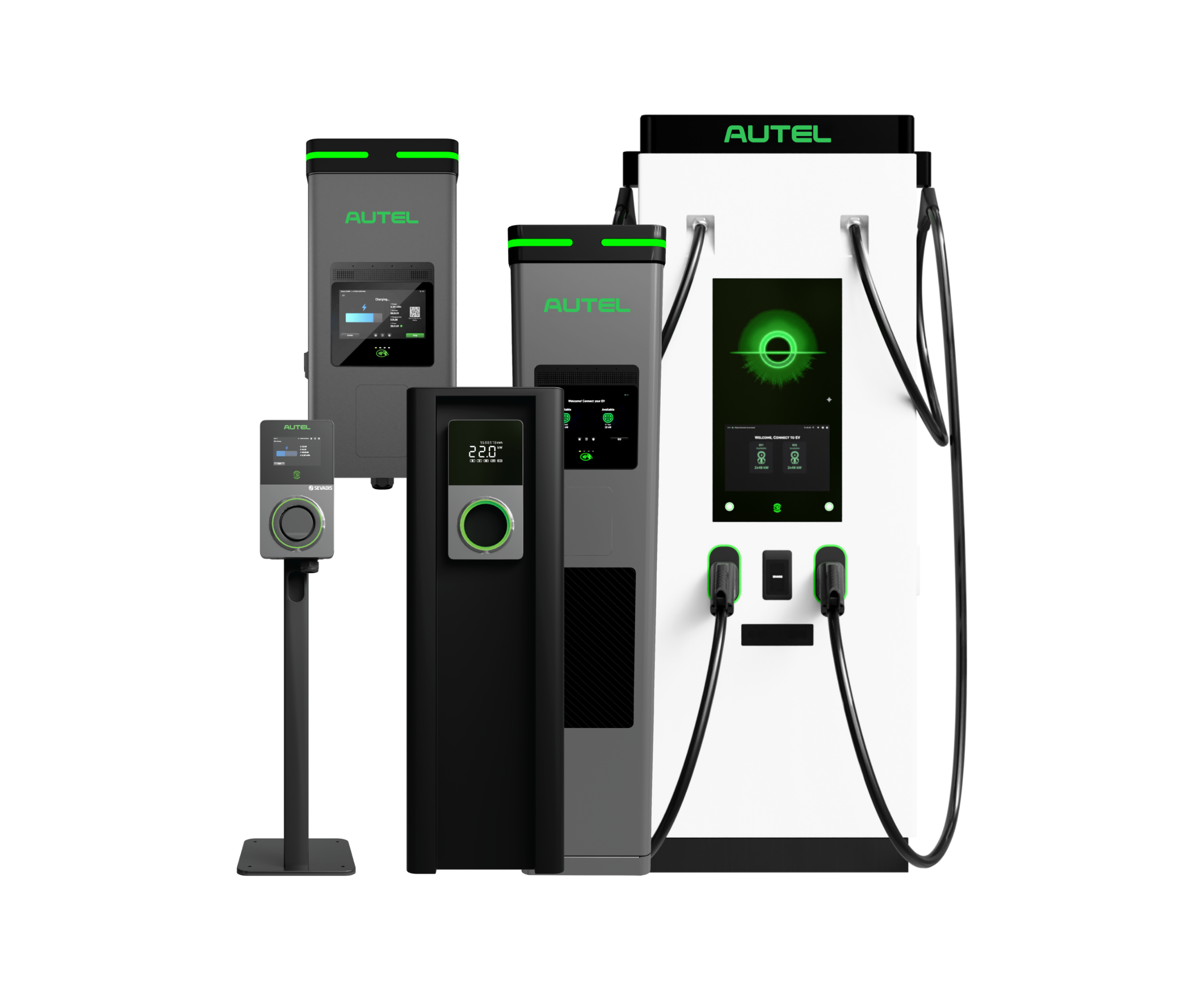
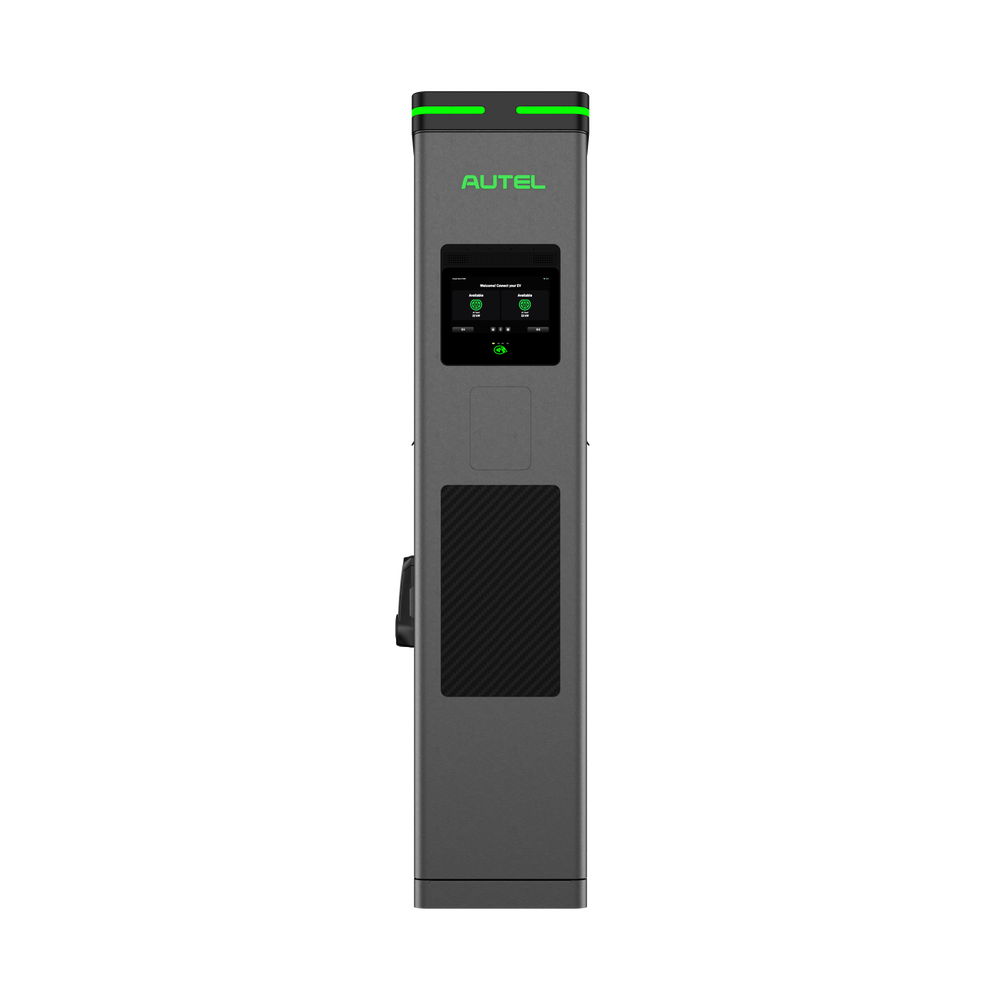
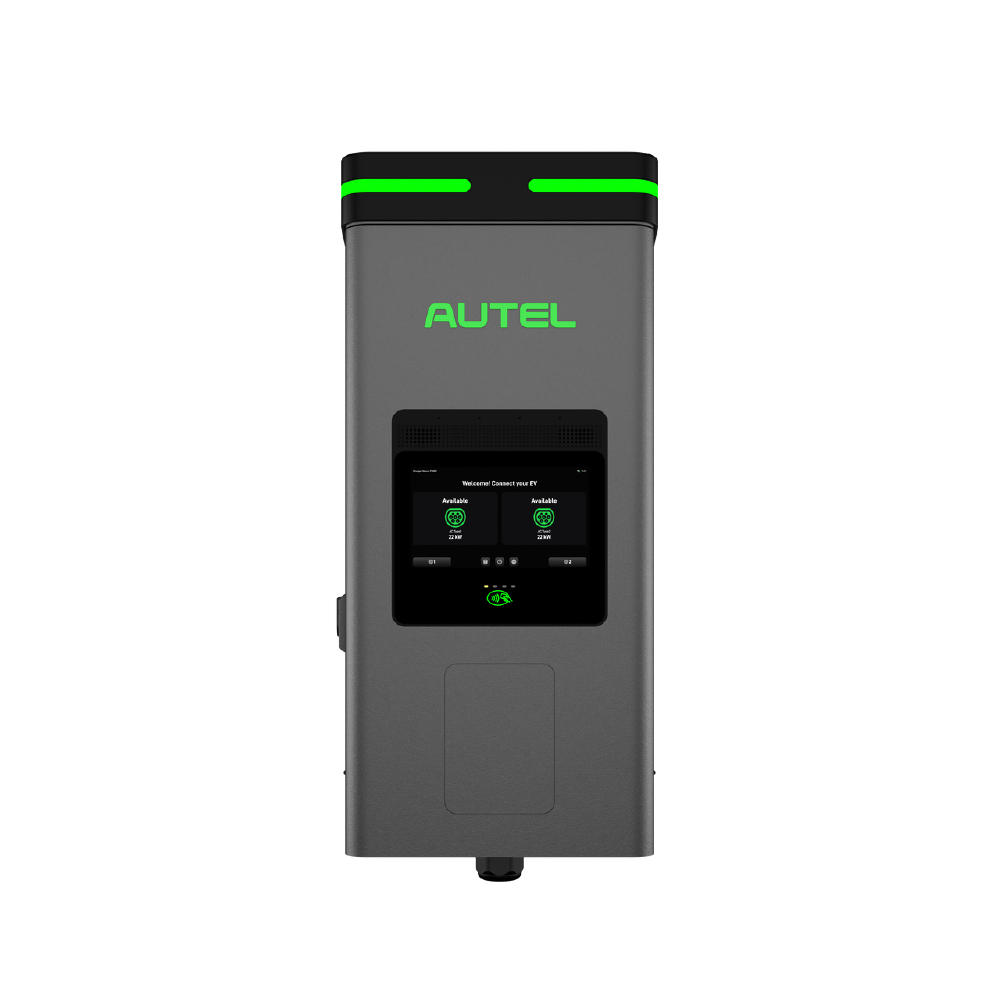
The Sevadis MaxiCharger Gen2 range includes solutions for home charging, workplaces, commercial sites and high-power public charging, helping businesses and homeowners choose a charger that’s right for their needs.
Not sure which charger is right for your site? Speak to the Sevadis team for advice on choosing the right solution.
FAQ's
How long does it take to charge an electric car at home?
Most electric cars take around 8-9 hours to fully charge using a 7.4kW home wallbox, making overnight charging the most practical option for everyday use.
Can you charge an electric car at any charging point?
In most cases, yes. Most modern EVs can use public charging points across the UK, but charging speed and connector compatibility can vary. Learn more in our guide to charging an electric car at any charging point.
How long does it take to charge an EV using a 3-pin plug?
Charging from a standard 3-pin socket can take 24-30 hours or more, depending on the battery size. It’s best suited to occasional use rather than everyday charging.
Is a 7kW or 22kW charger better?
For most UK homes, a 7.4kW charger is the better choice. A 22kW charger usually requires a three-phase electricity supply, making it more common in workplaces and commercial settings.
Why does charging slow down after 80%?
As the battery fills, the charging speed reduces to help protect battery health. That’s why rapid charging times are usually measured from 10% to 80%.
Is it cheaper to charge an electric car at home?
In most cases, yes. Charging at home, especially on an off-peak electricity tariff, is usually cheaper than using public rapid chargers.
Can you leave an electric car charging overnight?
Yes. Modern electric vehicles and home chargers are designed to stop charging automatically once the battery reaches its target level. Many drivers charge overnight to take advantage of lower electricity prices.
