


Free Electric Car Charging Stations Near Me: UK Guide
Yes, free electric car charging stations exist in the UK, However, “free” and “easy to find” aren’t the same thing. The key thing to remember is that free charging availability varies by location and provider, so it’s worth checking the latest information rather than relying on a free charger being available every time you need one. This guide covers where free chargers tend to turn up, how to locate one nearby, what “free” does and doesn’t include and what to do when there isn’t one nearby when you need it.
Quick Answer
Yes, free EV charging stations are available across the UK, However, they’re becoming less common and availability varies by location. Charging apps such as Zapmap and PlugShare can help you find them, However, it’s important to check the latest status, access rules and parking conditions
Table of Contents
Where Can I Find Free Electric Car Charging Points Near Me?
Free charging isn’t evenly spread across the country and it isn’t always where people expect. Common sources include:
- Hotels – often offered as a guest perk to attract EV drivers and justify overnight rates.
- Car dealership forecourts – installed to bring potential buyers on site, sometimes tied to a sales visit.
- Leisure and visitor attraction – National Trust properties, garden centres and similar sites use free charging to extend how long visitors stay.
- Some supermarkets and retail parks – this has been shrinking, as more chains move to paid charging, so it’s worth checking current status rather than assuming.
- Council-run car parks – particularly in areas running local EV incentive schemes.
- Workplaces – if your employer offers it as a staff benefit.
How to Find Free EV Charging Stations Near You
Finding a free charger is straightforward once you know what to check:
- Open a charging app and filter for free chargers in your area
- Check the charger’s current status – is it reported as working right now?
- Confirm the connector type matches your car
- Check opening hours, especially for dealership or retail sites
- Look for access requirements; some need an app, RFID card, or proof you’re a customer
- Note any parking restrictions attached to the bay
TIP: Skipping any of these steps is usually what leads to a wasted trip, turning up to find the charger occupied, offline or restricted to guests only.
Which Apps Can Help You Find Free EV Charging?
Two useful apps for finding free EV charging in the UK are Zapmap and PlugShare. Both let you filter specifically for free chargers. However, listings are a helpful starting point rather than a live guarantee. Official UK charging statistics are themselves described as a snapshot of chargers reported operational at a given date, so the same caution applies to any charging app
TIP: always check the most recent status before you set off, not just whether a charger is listed as free.
Using Zapmap’s free-to-use filter
Zapmap is built around the UK charging network, which makes it a solid starting point for British drivers. Its “Free to use” filter narrows results to chargers reported as free and you can combine this with connector type and location to get a more targeted list, for example, free Type 2 chargers within a set distance of a postcode.
Using PlugShare’s amenity filter
PlugShare treats “free” as a filterable amenity rather than a separate category, so you’ll find it within the filter menu alongside plug type and network. Its user community tends to flag offline or inaccessible chargers quickly, which makes it a useful second check once you’ve shortlisted a charger on Zapmap.
TIP: Always check the most recent update or check-in date on either app a charger listed as free previously may have since moved to a paid model or the free-to-use offer may have ended.
Where Are Free EV Chargers Most Commonly Found?
Hotels, dealership forecourts and leisure attractions can offer free charging as a customer or visitor perk. Some supermarkets, retail parks and council-run car parks also offer free charging, although availability varies considerably by location.
The wider public charging network is heavily weighted towards destination charging. DfT statistics show that 54% of public EV chargers were classified as destination chargers on 1 January 2026, while 32% were on-street, 9% en-route and 4% other. This covers the entire public network rather than free chargers specifically. However, it shows that a large share of public charging is located at destinations where drivers typically stop for longer periods.

*Source: Department for Transport, Electric Vehicle Charging Infrastructure Statistics. Data correct as of 1 January 2026. Percentages may not sum to 100 due to rounding. *
Supermarket charging in particular has become less predictable as a source of free power, a number of major chains have moved to paid models over the past couple of years, so it’s worth checking a specific store’s current offer rather than assuming free charging is still available there.
As of 1 July 2026, the UK had more than 121,000 public EV chargers, according to the Department for Transport’s latest monthly figures. The data is sourced from charge-point operators and collated by Zapmap. This figure covers the public charging network as a whole rather than free chargers specifically, However, it provides useful context for the size and growth of the UK’s EV charging infrastructure.
Are Free EV Charging Points Really Free?
Usually the electricity itself is free, However, access to it isn’t always unrestricted. It’s worth treating “free” and “no cost at all” as two separate questions. Even where charging is genuinely free, you might still run into:
- Parking charges – some managed car parks charge for the bay even though the electricity is free.
- Time limits – often one to three hours, especially at retail or hospitality sites Access requirements – an app, RFID card or proof that you’re a customer or guest.
- Restricted hours – dealership and workplace chargers are often only available while the site is open
- Membership-only access – some free chargers are limited to existing customers or members.
Free charging can still be a useful option, However, its worth checking the specific charger’s terms before relying on it.
What Should I Check Before Driving to a Free Charger?
Before treating a free charger as part of your route, it’s worth confirming:
- Its current status (working, in use or offline)
- Opening hours for the site
- Whether parking charges apply
- Any time limit on the charge
- Connector compatibility with your car
- Realistic charging speed- many free chargers are standard AC units rather than rapid or ultra-rapid
- Whether you need an app, card or proof that you’re a customer to activate it
A quick check against two apps rather than one is usually enough to avoid an unnecessary detour.
Can You Rely on Free Public Charging?
Free chargers are useful for occasional top-ups during a shopping trip, hotel stay or visit to an attraction. However, they are harder to rely on for everyday charging. Many free chargers are standard AC units rather than rapid or ultra-rapid chargers, so charging can take longer. There is also no guarantee that a specific charger will be available, working or still free when you arrive.
In short, free public charging works best as a useful extra, not as a primary charging option for drivers who need to charge regularly.
Is Home EV Charging a Better Alternative?
Free public charging can be a helpful bonus, However, it is not designed to be a reliable everyday solution. Availability can change and it is worth checking access, status and restrictions each time. If this becomes a regular inconvenience, home charging may be a more predictable option. Instead of checking apps and hoping a free charger is available, a home charger lets your car charge overnight or whenever it is parked, without depending on the local public network. The same applies to workplaces, where on-site chargers can reduce staff reliance on public infrastructure.
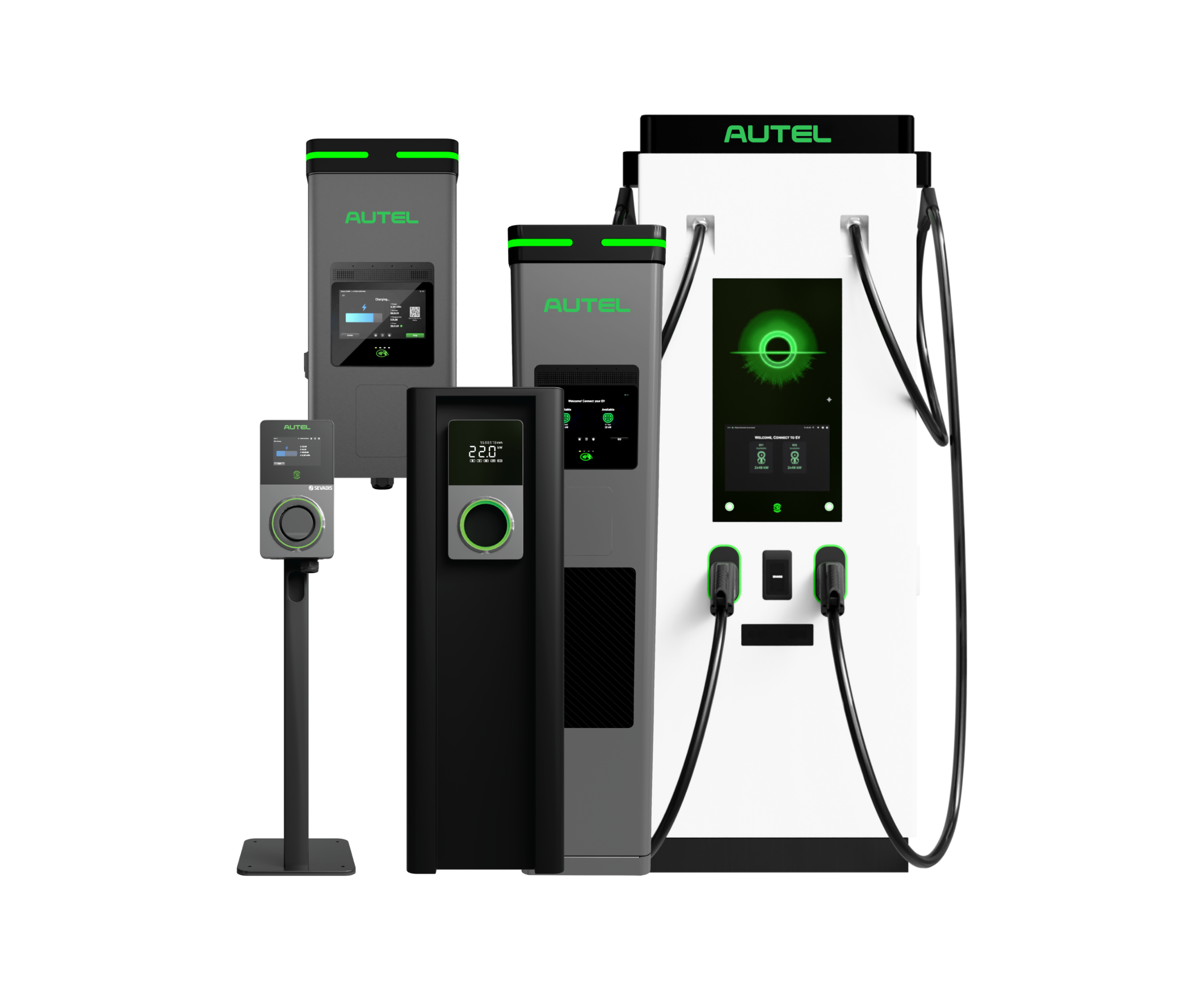
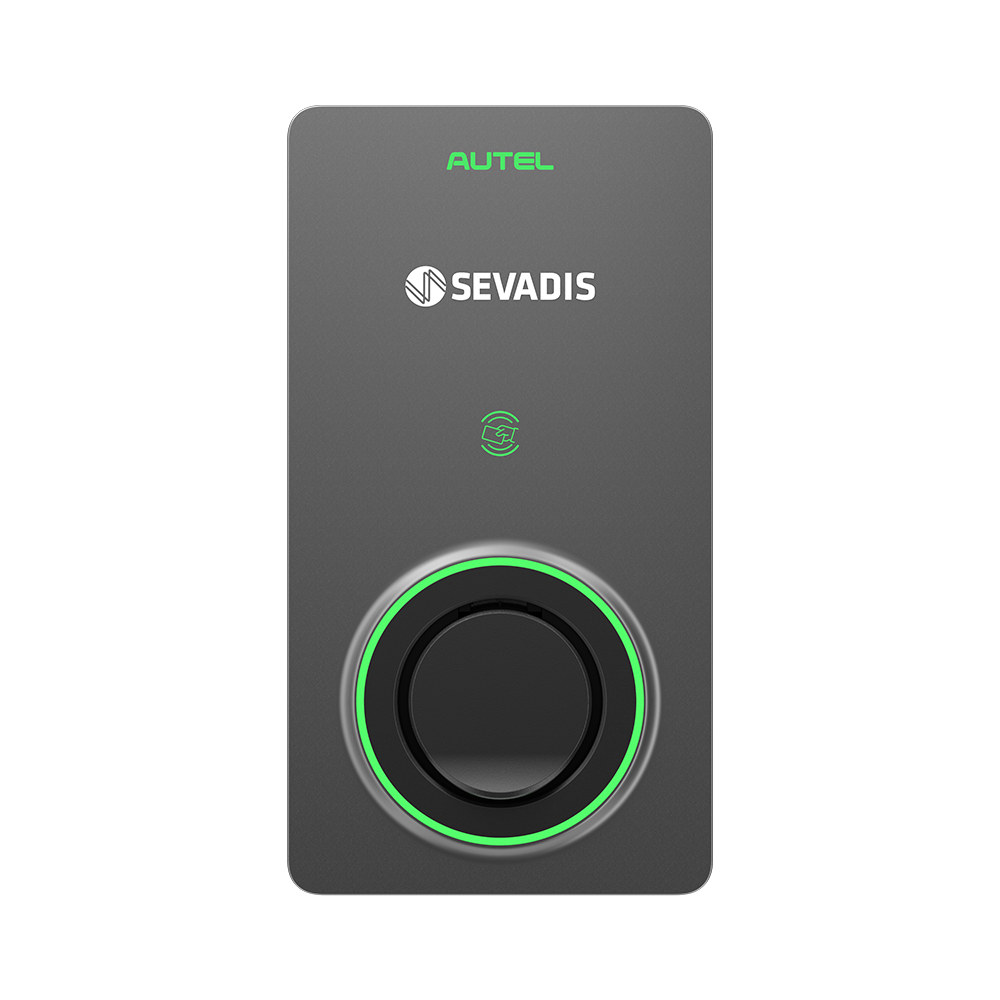
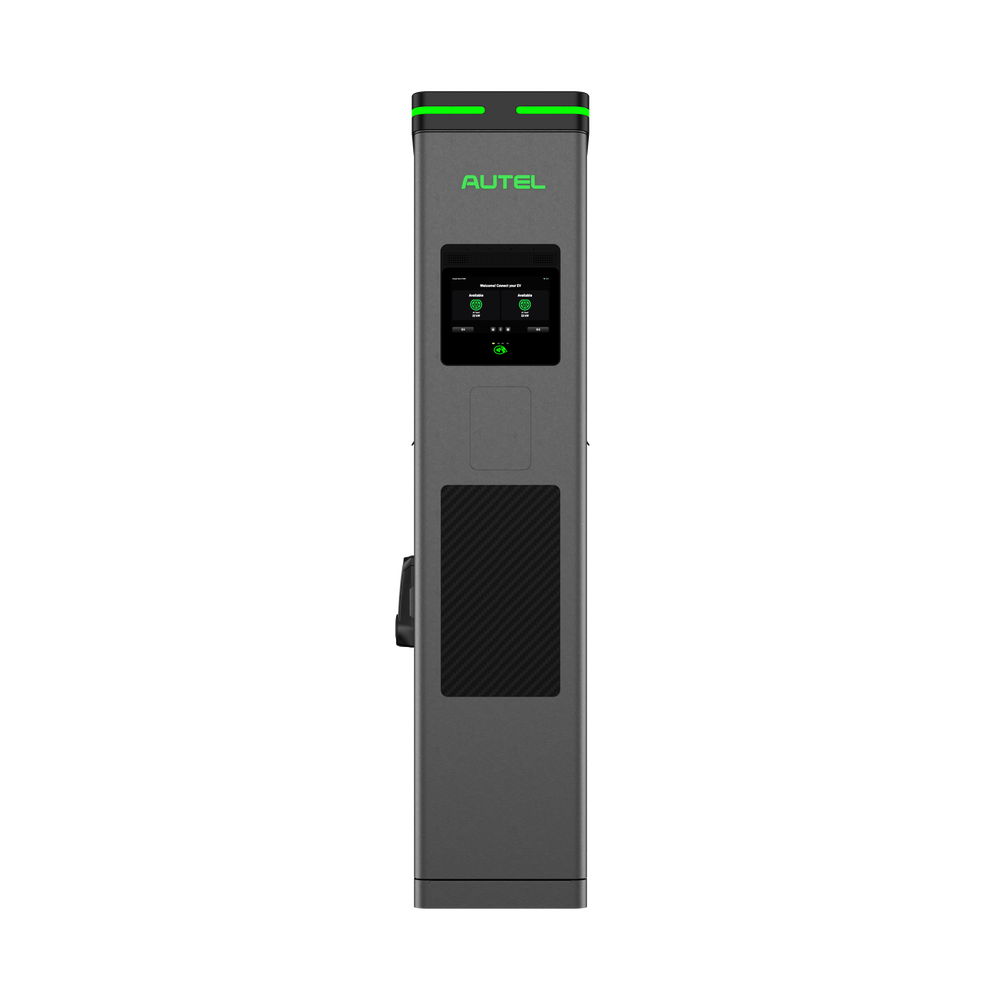
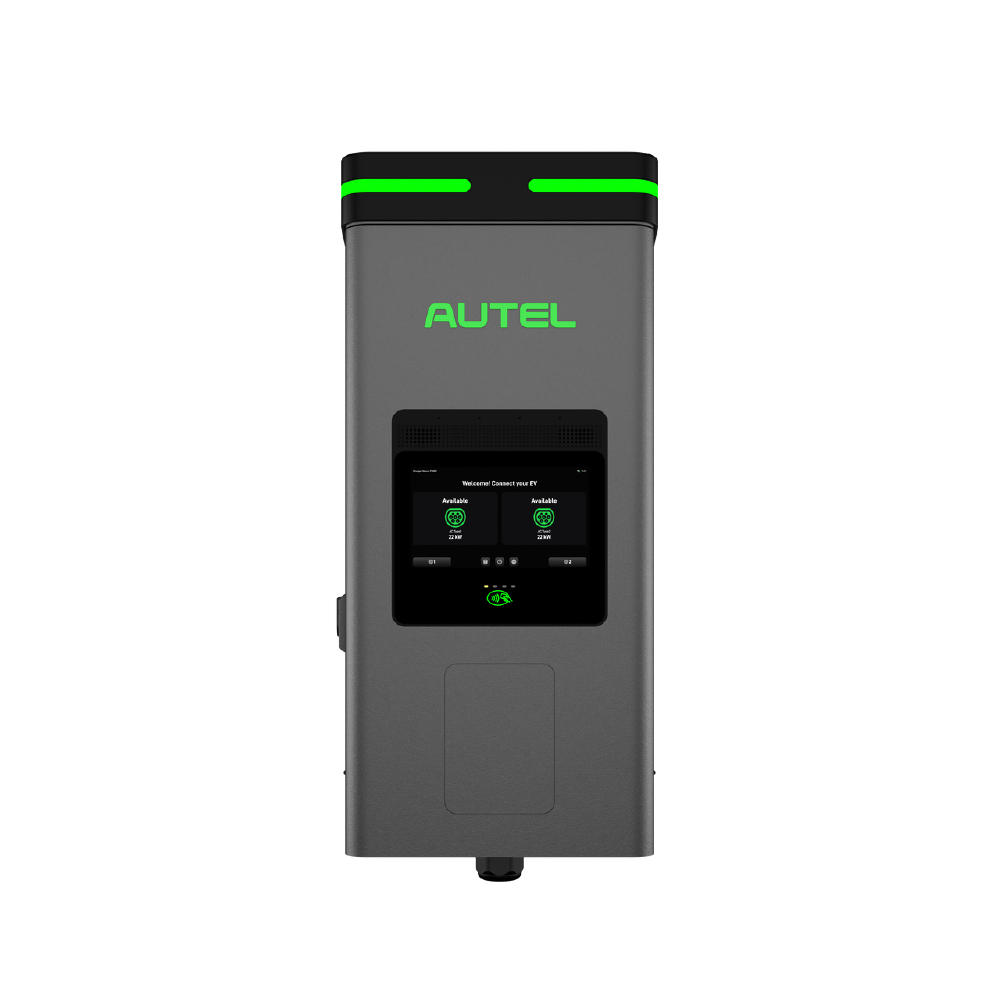
If you are considering this option, Sevadis supplies and installs home and workplace EV chargers across the UK.
FAQs
How do I find free electric car charging stations near me?
Use a charging app such as Zapmap or PlugShare. Apply the free-charging filter, then check the charger’s status, opening hours and connector type before you travel.
Are free EV charging points really free?
The electricity is usually free, However, access may still involve parking charges, time limits or membership requirements. Always check the specific charger’s terms.
Where can I charge my electric vehicle for free?
Hotels, car dealership forecourts, some leisure attractions and council-run car parks are among the more consistent sources. Supermarket availability varies and has reduced in recent years.
Which apps show free EV charging locations?
Zapmap and PlugShare both let you filter for free chargers, and cross-checking both before a journey is a good habit.
Who pays for free electric car charging stations?
It depends on the host. Businesses often offer it as a customer incentive, employers as a staff benefit, and councils as part of local EV schemes. The exact arrangement varies by site.
Can I rely on free charging for regular use?
It works well as an occasional top-up. However, availability, speed and access restrictions make it less dependable than a home or workplace charger for everyday charging.
